Summer in Wood River, IL, comes with heat, humidity, and a steady demand for reliable air conditioning. When your system falters, the choices you make in hiring a technician determine comfort, cost, and how long the unit lasts. I’ve been in HVAC long enough to see the same missteps over and over. Below I explain the most common mistakes homeowners make when they seek AC repair in Wood River IL, and how to avoid them. I reference real situations, trade-offs, and practical checks you can perform before, during, and after the service visit.
Why this matters A poor repair job costs more than money. A rushed diagnosis, incorrect refrigerant charge, or mismatched replacement part can reduce efficiency by 20 to 40 percent, shorten equipment life by years, or create safety hazards. Even a small oversight, like a loose electrical connection, can produce intermittent failures that are expensive to track down. Getting service done right the first time saves time, stress, and often prevents repeat service calls that add up.
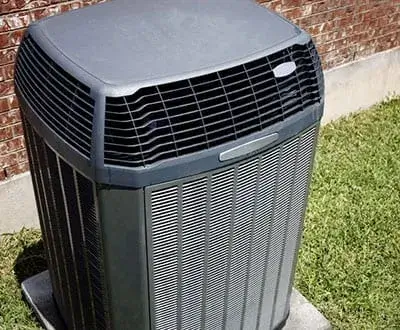
Recognize the difference between maintenance, repair, and replacement Many homeowners confuse routine maintenance with repair work. AC Repair in Wood River IL Maintenance is preventive, such as filter changes, cleaning coils, and tightening connections. Repair addresses a failed or failing component. Replacement becomes necessary when the system is beyond cost-effective repair, usually when repair costs approach 50 percent of a new system or when the unit is more than 12 to 15 years old and efficiency is poor.
A common anecdote: a customer called because the AC froze up repeatedly. A quick maintenance visit would not have solved the underlying problem, which was a failing blower motor and low refrigerant caused by a slow leak. Had the homeowner insisted on a low-cost tune-up alone, they would have experienced recurring freezes and higher electric bills. When you request AC repair in Wood River IL, be explicit about symptoms, not assumptions. Describe what you hear, smell, and when the problem occurs.
Avoid hiring solely on price The cheapest bid rarely equals the best value. I once quoted a repair that included replacing a faulty contactor and recharging refrigerant. A competitor undercut that price by 40 percent but used a generic contactor that was not rated for the system’s start current. Four months later the homeowner called back; the cheap contactor welded shut and caused a burnt wire. The initial savings disappeared, replaced by a larger repair plus emergency service fees.
When evaluating bids, compare these factors in addition to price
- technician certification and years of experience written diagnostic and repair estimates, including parts and labor warranties references or local reviews whether the company carries appropriate licensing and insurance
Don’t skip verification of credentials In Illinois, contractors must have the right licenses and carry insurance. Ask for proof. I recommend verifying the license number with local licensing boards if available. Technicians should hold EPA Section 608 certification to handle refrigerant. Some companies employ apprentices or helpers for basic tasks; that is fine as long as a certified technician supervises diagnostic work and refrigerant handling.
Clarity about parts and warranties Vendors use different warranties: manufacturer warranties, service warranties, and labor-only guarantees. One customer had a compressor fail under a 10-year manufacturer warranty, but the installer voided the coverage by charging an incorrect refrigerant type during a previous repair. Warranties can be voided by improper installation, unauthorized refrigerant, or failure to maintain the unit per manufacturer guidelines.
Before authorizing work, request a written estimate that spells out
- parts brand and model numbers, where applicable warranty duration on parts and labor whether old parts will be returned or recycled Having this in writing prevents disputes later.
Watch out for overuse of refrigerant as a quick fix A slow refrigerant leak calls for leak detection and repair, not repeated top-offs. Adding refrigerant without finding and fixing a leak masks the problem and can harm the compressor. I have seen systems where refrigerant was topped off six times in a year. The compressor ultimately failed from overheating and liquid slugging. Proper procedure is to locate and repair leaks, then vacuum the system and recharge to the manufacturer’s specified charge.
Signs a leak is present include:
- progressively lower pressures on service gauges oil stains or corrosion near fittings a sudden increase in electric consumption with reduced cooling
Practical troubleshooting you can do before calling Spend ten minutes on a quick inspection. Check the air filter, clear debris around the outdoor condensing unit, confirm the thermostat setting, and see if the indoor blower is running. If the outdoor fan runs but there is little cool air, note whether the suction line is cold and insulated while the liquid line is hot. These observations help the technician diagnose faster and reduce diagnostic time charges.
Be precise when describing symptoms Avoid vague claims like the system “isn’t working.” Instead say: the air returns warm after 10 minutes of runtime, the unit cycles on and off every eight minutes, or there is a hissing noise coming from the outdoor unit. The more specific your description, the faster a technician can prioritize parts to bring and identify likely causes.
Know when a second opinion is worth it If a technician recommends a costly repair, especially replacement of major components like the compressor or evaporator coil, getting a second opinion makes sense. I once diagnosed a cracked evaporator coil requiring replacement, and a second company agreed. That validation gave the homeowner confidence to replace the coil rather than repeatedly patching other components. If estimates differ widely, ask both companies to explain their diagnoses and whether partial repairs will create known risks or void warranties.
Expect accurate diagnostics, not guesswork A professional diagnostic includes system pressure readings, amperage draws, temperature splits across the evaporator, and visual inspection for signs of oil, corrosion, or leaks. Any firm performing AC repair in Wood River IL should provide you with a written diagnostic report. If a technician offers a flat-rate repair without showing the measured values, that is a red flag.
Negotiate labor and emergency fees upfront Service calls can vary. Many companies charge a diagnostic fee and then apply it toward the repair. Others bill time-and-materials. Emergency calls, nights, and weekends often cost more. Ask how fees are calculated and whether there is a warranty on labor. It’s better to know the terms before the technician starts work.
Prepare your home for a technician’s visit Clear access to the indoor air handler and outdoor unit. Move furniture away from the thermostat and return vents so the thermostat reading is accurate. If pets are present, secure them. Technicians are more efficient when they do not have to spend time moving obstacles or searching for panel screws. Efficiency shortens the job and reduces labor costs.
Communicate about refrigerant types and environmental regulations Modern AC systems can use different refrigerants with distinct properties. Older units might contain R-22, which is phased out and expensive to recharge. Some techs suggest retrofits to accept newer refrigerants, but retrofits are complex and sometimes not cost effective. When a proposed repair involves refrigerant change or retrofit, insist on a clear explanation of performance implications, cost ranges, and any future servicing concerns.
Document the work After the job, request a written completion report including before-and-after measurements, parts installed with serial numbers if applicable, and the technician’s name and license number. Keep these documents with your homeowner records. They matter for warranty claims and for future service technicians trying to understand the system’s history.
Beware of unnecessary component replacements There is a gray area where replacing a part is sensible versus wasteful. For example, replacing a capacitor is inexpensive and often prevents motor damage. Replacing an entire blower assembly, however, might be premature if the motor has intermittent issues due to a stuck bearing that can be resolved with cleaning and lubrication. Ask the technician to explain why a component must be replaced, what tests indicate failure, and whether a temporary repair is possible while you budget for a full replacement.
When replacement is the right choice Consider replacement when
- the system is older than 12 to 15 years with efficiency below current standards repair costs exceed roughly half the price of a new, properly sized system repeated failures occur in different components, indicating systemic wear or improper original sizing A single broken capacitor or contactor, however, usually does not justify a full system replacement.
Sizing and matching matter A too-small or too-large replacement will cause problems. Oversized systems short-cycle, increase humidity, and wear out components sooner. Undersized systems run continuously and struggle to reach set temperatures. Proper sizing uses load calculations, not rules of thumb. Reputable companies perform a Manual J load calculation and match the replacement equipment to the home’s needs. Ask whether a Manual J was performed before wholesale replacement.
Negotiate payment terms safely Avoid paying the full amount up front in cash. A reasonable deposit is common, often 20 to 50 percent for a large job, with the balance due upon satisfactory completion and documentation. Use credit card or check when possible so payments are traceable. Get a receipt and the service agreement that describes what happens if items fail within the warranty period.
Keep an eye on indoor air quality and airflow Repairs focused only on the outdoor unit can miss airflow issues inside the ductwork or with the blower. Lowered airflow causes ice formation on evaporator coils and increases energy use. If cooling is weak in specific rooms, the problem sometimes lies with duct leaks, blocked returns, or a poorly performing thermostat. A good technician inspects both sides of the system before finalizing a diagnosis.
How to vet companies for AC repair in Wood River IL A short checklist helps, but do not rely solely on online reviews. Talk to neighbors, consult local social media groups, and ask friends who have had similar work done. When a company identifies a problem, note whether their advice is conservative and evidence based, or whether they push for costly replacements without clear measurements.
Quick checklist to use when evaluating a company
- confirm license and EPA certification get a written diagnostic with measured values compare warranties on parts and labor request references or local examples of similar repairs avoid paying full amount upfront
When a repair goes wrong, escalate properly If you are dissatisfied after a repair, document communications, take photos of the work, and call the company asking for remediation. If remediation fails, file a complaint with the Illinois Attorney General or your local consumer protection office. For warranty disputes, contact the manufacturer using the serial numbers provided in the completion report.
A final practical story A senior homeowner called because her AC made a loud clunking noise and then stopped. The first company suggested a full outdoor fan motor replacement. I visited and found a loose fan blade bolt and a slightly unbalanced blade. Tightening and balancing fixed the noise and prevented a premature motor replacement. The client saved more than $700 and avoided an unnecessary disruption to her home. Points like this underscore why precise diagnostics, careful inspection, and experienced judgment matter more than speed or the cheapest price.
If you need help in Wood River For those searching for AC repair in Wood River IL, B & W Heating & Cooling offers diagnostic transparency, EPA-certified technicians, AC Repair in Wood River IL B & W Heating & Cooling and clear documentation. We treat repair recommendations with respect: sometimes a small repair is all that is required, and sometimes replacement is the prudent choice. Either way, expect measurements, warranties, and clear explanations so you make an informed decision.
Make the call with confidence When your system struggles, act promptly. A short delay can turn a simple fix into a major repair. Use the practical checks above, insist on written diagnostics, and choose technicians who explain the trade-offs. Getting AC repair in Wood River IL should leave you comfortable, safe, and confident that the job was done right.
B & W Heating & Cooling
3925 Blackburn Rd, Edwardsville, IL 62025
+1 (618) 254-0645
[email protected]
Website: https://www.bwheatcool.com/