When your air conditioner stutters in the middle of a sweltering Illinois summer, the first phone calls bring relief and confusion in equal measure. Estimates arrive with different numbers, different scopes, and different tones. Some contractors quote a single flat fee, others break down labor and parts, some insist on a system replacement while another recommends a simple capacitor change. Knowing how to compare those quotes matters more than chasing the lowest number. A low price can hide poor parts, rushed diagnostics, or an absence of warranty. A high price can be justified if it buys reliability and fewer service calls over the next five years.
I have scheduled dozens of repairs and sat on both sides of the table, negotiating timelines and clarifying technical jargon. Below I walk through the practical, sometimes messy, work of turning three different proposals into a clear decision. This will help whether you are calling for AC repair in Wood River IL, thinking about AC installation in Wood River, or planning ongoing AC maintenance in Wood River.
Why quotes vary, and what to ignore first Estimates look different because each contractor has a different process and a different appetite for risk. One tech will send a preliminary quote without a full diagnostic, another will complete a hands-on inspection and then issue a firm bid. Some companies bundle follow-up labor into a warranty, others price labor and parts separately. Also, market conditions matter — parts like capacitors and contactors are inexpensive, but refrigerant shortages, specialty scroll compressors, or older R-22 system conversions can push prices up quickly.
Start by ignoring line-item totals that are unsupported by a clear scope. A reasonable quote tells you what was inspected, what failed, which replacement parts are proposed, and how the technician diagnosed the failure. If the estimate reads like a shopping list without explanation, treat it with suspicion. You want an explanation, not a guess.
Ask for the same scope from each contractor To compare apples to apples, make sure each quote addresses the same set of questions. If one contractor quotes replacing a compressor and another quotes replacing a run capacitor, you are not comparing the same problem. Either request that each contractor perform a full diagnostic on site, or accept that you will compare diagnosis notes rather than final prices. A quick, effective approach is to ask for a written scope that includes current symptoms, tested components and measured values, recommended actions, and a timeline for the work.
A good written scope reads something like this: “Customer reports unit blowing warm air after two hours of operation. Found low refrigerant pressure at 50 psi on low side, frost on the evaporator coil. Checked capacitor readings at 40/5/440 and found weak run capacitor, measured motor amp draw exceeded nameplate by 12 percent. Recommend leak detection, evacuation, recharge to manufacturer spec, replace run capacitor, and clean evaporator coil. Estimated time 3 to 5 hours. Parts covered by 1 year warranty, labor 90 days.” That level of detail eliminates guesswork and makes the quotes comparable.
Parts, brands, and repair philosophy When I compare quotes, I read the parts section carefully. Are they proposing OEM parts, aftermarket equivalents, or used components reclaimed from other jobs? An OEM compressor can cost two to three times a comparable aftermarket unit, but in some cases the aftermarket option comes with a reasonable warranty and performs acceptably. Also note whether the refrigerant type is listed. Many older Wood River systems still use R-22, which has become more expensive and regulated. If a quote does not specify refrigerant, ask.
Labor rates hide in plain sight. Some companies charge a flat diagnostic fee and then list labor hourly. Others include a diagnostic visit for free if you accept the repair. Either approach can be fair, but make sure you understand the penalty for declining the repair. In one local example, a homeowner accepted a low diagnostic fee only to find the contractor tacked on high labor when additional hours were required. Clarify the maximum hours anticipated and what would trigger additional charges.
Warranties and follow-up service A warranty tells you how confident the contractor is in their work. Short-term warranties, such as 30 or 90 days on labor, are common for small parts changes, but look for at least one year on parts when the work is significant. Some companies offer extended warranties or parts-and-labor combos for 2 to 5 years. Ask for those terms in writing. A strong warranty will list exclusions, start and end dates, and the process for making a claim.
Response time matters, particularly in peak months. A three-day wait can mean a house that struggles with humidity and morning comfort. Ask each contractor how soon they can start, and whether they charge emergency or overtime rates. A contractor who promises same-day service during heat waves but has no technicians in the area might be overpromising. Local companies with established routes in Wood River are often more reliable on response time than national ticketing operations.
Licensing, insurance, and local code compliance Confirm the contractor holds the required Illinois licenses and carries liability insurance and workers compensation. A license is a minimum bar and it helps protect you financially if something goes wrong. Also ask whether they obtain permits when required. Most small repairs do not require permits, but system replacements and refrigerant conversions often do. A company that avoids permits to save time is asking you to accept regulatory risk.
Check for certifications from manufacturers or industry groups. NATE certification or factory training from major brands does not guarantee excellence, but it indicates a level of investment in training. Contractors who invest in training tend to be more methodical, which reduces the chance of callbacks.
Read the fine print on replacements and installations When quotes include AC installation in Wood River or full condenser replacement, pay attention to what is included. Duct modifications, electrical upgrades, and refrigerant lines can become additional charges if they are outside the quoted scope. Does the quote include a new pad, line set, charging to manufacturer spec, and final performance test? Does it include digital thermostat setup and basic homeowner orientation at the end? A clear installation quote lists all these items, and notes any contingencies, such as hidden rusted connections or inaccessible ductwork.
Remember that replacing only the outdoor condenser without matching the indoor coil can erode the efficiency of the system, even if the upfront price is cheaper. In some cases it makes sense to replace the entire matched system, particularly if the system is older than 12 to 15 years. But a matched system replacement will typically cost several thousand dollars, so weigh immediate comfort and reliability against budget.
How to quantify value: simple math you can do at home There are a few quick calculations that turn vague promises into measurable differences. First, calculate the total cost of ownership for the next three years. Add the quoted repair or replacement cost plus an estimate for preventive maintenance and likely future repairs. For example, a $900 repair with a 90-day labor warranty might save money short term versus a $3,500 replacement that comes with a five-year parts warranty. But if that $900 system fails again twice in 18 months and each visit costs $150 to $250, the replacement becomes more attractive.
Second, estimate the energy impact. A failing compressor or clogged coil can reduce efficiency by 20 to 40 percent. If your cooling bill is $200 per month during summer and a repair restores full efficiency, you can expect savings proportional to the efficiency gain. Use this to spread the replacement cost across a reasonable lifespan and see when the investment pays back.
Practical negotiation tips from the field First, be transparent about your budget and timeline. Contractors prefer to tailor work to real constraints. If you have a hard ceiling, say so; a good contractor might propose phased repairs or a priority list that fixes the most consequential failures first. Second, ask for alternative options in the quote. If the diagnostic supports both a repair and a replacement, ask for both price points and the trade-offs in expected lifespan and performance.
Third, get the quote in writing. Verbal promises matter little when parts differ or when the job takes longer than expected. A written estimate prevents "surprise" fees and gives you a reference if the work falls short. Fourth, don’t sign a blank work order. If a contractor wants a deposit, clarify what the deposit covers and under what conditions it is refundable. In my experience, a 10 to 30 percent deposit is common for installation jobs; for small repairs, many reputable companies complete the work and collect payment afterward.
Checklist to request with every AC repair quote
- written diagnostic with measured values and failed component list detailed parts list, including brand, warranty length, and refrigerant type clear labor pricing, hours estimated, and whether overtime or emergency rates apply start date and expected completion time, plus response time for callbacks permits, licensing, and proof of insurance
Red flags to watch for when evaluating bids
- quotes that are unusually low compared with others and lack specific diagnostic detail insistence on full system replacement without evidence or thorough inspection refusal to put warranty terms in writing or vague warranty language pressure for large up-front cash-only deposits without documentation
Comparing beyond price, the human factors People rarely consider the interpersonal aspects of a contractor until something goes wrong. Did the technician arrive on time, in uniform, with a neat truck, and a respectful demeanor? Did they explain the problem in plain language and show the failed parts? These cues matter. A contractor who documents photos, shows you a corroded contactor, and explains why the run capacitor failed is more likely to do high-quality work than someone who delivers a one-line estimate and disappears. Look for responsiveness to follow-up questions. If a contractor ghosted you between estimate and booking, they will be harder to reach when you need them.
Local reputation matters more than national advertising in a town like Wood River. Ask neighbors, check locally focused review sites, and call the Better Business Bureau if you see conflicting reviews. A pattern of fast callbacks, repeat business, and visible presence in the community is worth paying for.
When to accept a higher price A higher-priced quote can be the right choice when it includes tangible benefits: a longer parts warranty, same-day or rapid service during heat waves, licensed technicians with manufacturer training, or a performance test at the end of the job. If one contractor uses OEM compressors with a five-year warranty and another uses a generic part with no warranty, the higher initial spend may save you money and hassle over the lifespan of the system. Also consider the risk of callbacks. If a contractor with the lower bid has several one-star reviews for repeated failures, that risk has a real cost.
Edge cases and tricky situations If your system uses R-22 refrigerant, you face decisions that many homeowners do not encounter with newer R-410A systems. R-22 is increasingly scarce and costly. If your evaporator coil is old and you need significant refrigerant work, a replacement might be prudent even if the immediate repair seems cheaper. Another edge case is electrical service. If your system pulls more amperage than the service panel can safely provide, an electrical upgrade may be required. That cost can double or triple a quoted installation price, so ask explicitly whether the quote assumes existing electrical capacity is adequate.
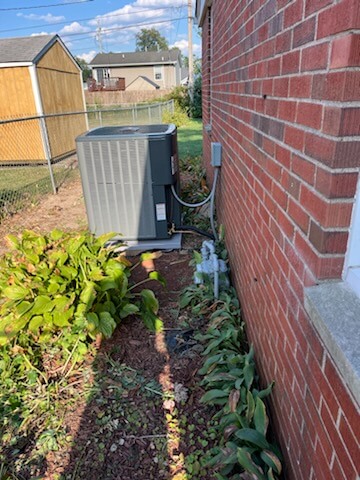
If the quote recommends a capacitor, but another contractor recommends a full compressor replacement, request a run-time test and motor amp reading. Capacitor failure and compressor failure can look similar symptomatically, but the diagnostic numbers tell the story. If a compressor is locked or heavily scored, a capacitor change is a temporary fix.
How maintenance affects future quotes One practical point that often gets overlooked: regular AC maintenance reduces repair costs and simplifies quoting in the future. A unit that has documented annual maintenance is easier to diagnose because technicians see an ongoing record. It also tends to have fewer surprises like rusted connectors or blocked coils. If you plan to keep a system for several years, factor the cost of an annual tune-up into the overall budget. Many contractors offer maintenance plans that include a discount on repairs and priority scheduling. If you frequently require AC repair in Wood River IL, the peace of mind and faster response time provided by a local maintenance contract can justify the annual fee.
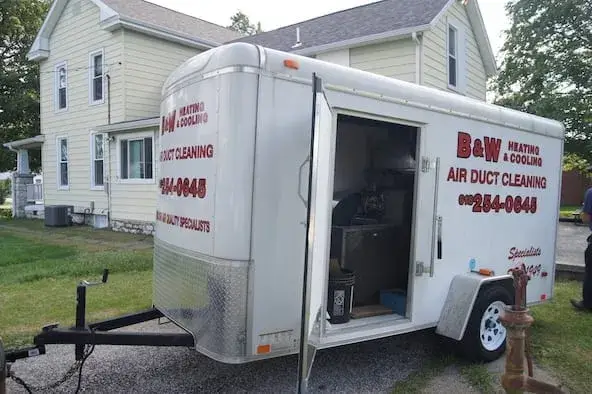
Why B & W Heating & Cooling shows up in conversations B & W Heating & Cooling is a name you may hear around Wood River. Local companies like B & W often balance quick response with a decent warranty network. When they appear on multiple quotes, check whether they are offering factory-backed parts and what their warranty transfer policies are if you sell the home. Local contractors tend to know city inspectors and common issues in the neighborhood, which can streamline installations and reduce permit hiccups. That local experience carries value beyond the headline price.
Making the final decision After you receive comparable quotes that align on scope, weigh the following: total cost of ownership over the next three years, warranty quality, responsiveness, and documented diagnostics. If two bids are similar in price, choose the contractor with better documentation, clearer warranty language, and a local track record. If you need the repair quickly and one company offers same-day service with a reasonable labor warranty, the time savings may justify a modest premium.
If you decide Emergency AC repair near me B & W Heating & Cooling to reject all quotes and wait, set a review date. Heat and humidity in southern Illinois can escalate problems quickly, and what was a tolerable issue in May can become a full failure in July. A deferred decision should include a plan for temporary measures, such as using fans, sealing windows, or running the system on shorter cycles to reduce stress until you secure a repair.
Final practical checklist before signing Read every line of the estimate. Confirm the total price, payment terms, warranty periods, start date, and what happens if the technician finds additional issues. Photograph any old parts the contractor removes. Keep copies of the estimate and final invoice. These documents will prove invaluable if you need warranty service or plan to sell your house.
Comparing quotes for AC repair in Wood River IL is less about finding the absolute lowest price AC Repair in Wood River IL B & W Heating & Cooling and more about managing risk, understanding trade-offs, and ensuring the work fits your needs and timeline. With clear diagnostics, a written scope, and attention to parts, warranties, and local credentials, you can choose a contractor who will keep your home comfortable and your future cooling bills predictable.
B & W Heating & Cooling
3925 Blackburn Rd, Edwardsville, IL 62025
+1 (618) 254-0645
[email protected]
Website: https://www.bwheatcool.com/